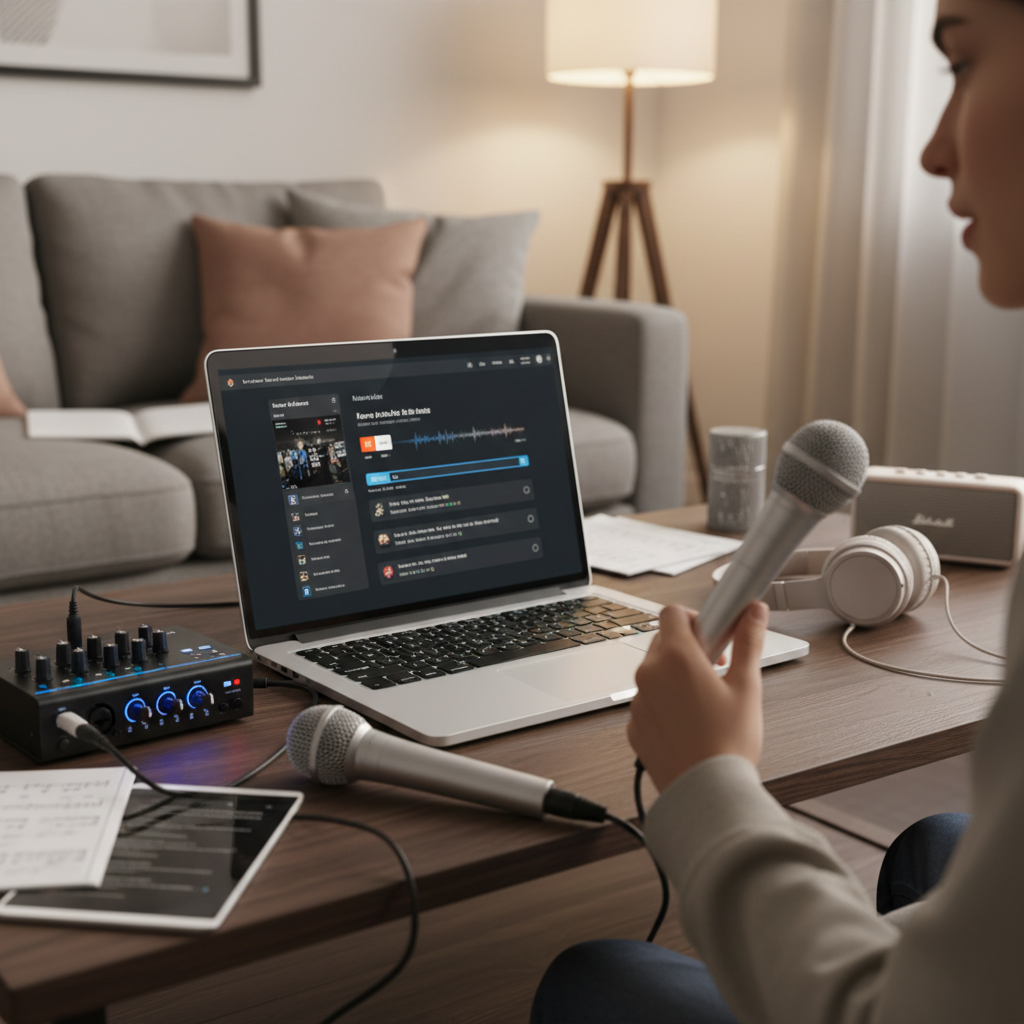
After the music fades and the last guest departs, the joyous remnants of a karaoke party often leave behind more than just fond memories—they leave microphones that have seen their fair share of use. Shared microphones can become a breeding ground for germs, making proper post-party hygiene not just a recommendation, but a necessity. With over a decade of experience in audio and karaoke systems, I understand the critical importance of maintaining your equipment not only for its longevity but also for the health and safety of every singer. This guide will walk you through effective, experience-backed methods to thoroughly clean and disinfect your microphones, ensuring they’re pristine and ready for the next performance.
Why Microphone Hygiene is Crucial After a Party
Neglecting microphone cleaning, especially after communal use, carries significant risks. First and foremost, shared equipment is a hotbed for bacteria, viruses, and other microorganisms that can easily spread from person to person. Prioritizing hygiene helps prevent the transmission of illnesses, safeguarding everyone who uses your equipment. Secondly, proper care extends the lifespan of your valuable audio gear. Accumulated grime, sweat, lipstick, and dried saliva can corrode metal components, degrade foam filters, and lead to unpleasant odors, ultimately affecting sound quality and requiring costly repairs or replacements. For anyone hosting karaoke, whether professionally or at home, presenting clean, fresh-smelling microphones reflects a commitment to professionalism and a high-quality experience.
Essential Tools for Microphone Disinfection
Before you begin the cleaning process, gather these simple yet effective tools to ensure a thorough and safe disinfection:
- Isopropyl Alcohol (IPA): A 70% concentration is highly effective for disinfection.
- Microfiber Cloths or Disinfectant Wipes: Ideal for wiping down surfaces without leaving lint.
- Soft-Bristled Brush: An old, clean toothbrush works perfectly for gently scrubbing grilles.
- Mild Dish Soap and Warm Water: Essential for cleaning metal grilles and foam elements.
- Small Bowl or Container: Useful for soaking removable parts.
- Cotton Swabs: Great for reaching intricate areas and crevices.
- Disposable Microphone Covers (Optional): These can be used during a party to minimize direct contact and make post-party cleanup easier.
Step-by-Step Guide to Post-Party Microphone Disinfection
Following these steps will help you achieve a comprehensively clean and disinfected microphone, protecting both your equipment and your guests.
1. Preparation and Disassembly
|
Our Picks for the Best Karaoke system in 2026
As an Amazon Associate I earn from qualifying purchases.
|
||
| Num | Product | Action |
|---|---|---|
| 1 | Karaoke Soundbar with Subwoofer for TV: Sound Bar with 2 Wireless Microphones - Home Theater Surround Sound System - Bluetooth Speaker with Remote Supports HDMI ARC/Optical/AUX/USB for TV/PC |

|
| 2 | Ikarao Portable Karaoke Machine for Adults, Built-in Lyrics Display and Screen, 2 Self-Charging Wireless Microphones, Karaoke App, 140W Speaker, Connects to TV for Home Party Birthday Outdoor Camping |
|
| 3 | Ikarao Smart Karaoke Machine for Adults - with Lyrics Display, 32GB Karaoke Tablet, 2 Wireless Mics, Professional Karaoke System, 300W Peak Power, 4 DJ Lights, Karaoke Speaker for Any Occasion |
|
| 4 | Karaoke Machine, Portable Bluetooth 5.3 Speaker with 2 Wireless Microphones for Adults, PA System with Pitch Correction & Echo Adjustment, Supports TWS/TF Card/USB/AUX/Live for Home Party (2MICS) |
|
| 5 | JBL Wireless Two Microphone System with Dual-Channel Receiver, Black |
|
| 6 | Karaoke Machine, Portable Bluetooth Speaker with 2 Wireless Microphones for Adults & Kids with Lights, Karaoke Microphone with PA System Supports USB/TF/REC/FM/AUX for Home Party Home System Packages |
|
| 7 | NBVOICE Professional Portable All-in-One Integrated 2-Way PA System Fixed Setup, Suitcase Design w/ 8-Channel Mixer, 2 Speaker Stands, Bluetooth, Mic for Performances, Presentations |
|
| 8 | Portable Karaoke Machine, with Wireless Microphones, Bluetooth Party Speaker with LED Lights, Loud Subwoofer, USB/AUX, Outdoor Karaoke Speaker for Adults & Kids, Home & Party |
|
| 9 | Karaoke Machine for Adults, Built-in 10.1" HD Lyrics Screen, Supports WiFi Bluetooth HDMI USB and TF, Portable Karaoke Player with 2 Wireless Microphones for Home Party Family Gathering |
|
| 10 | VOSOCO Karaoke Machine with 2 Wireless Microphones, Portable Bluetooth Speaker for Adults Kids, PA Systems Support TWS Echo Adjust TF USB AUX for Home Party Outdoor Travel |
|
Always begin by ensuring the microphone is safe to handle. For wired microphones, unplug them from the sound system. For wireless microphones, remove the batteries. This prevents accidental damage or electric shock. Next, gently twist or unscrew the microphone grille (also known as the basket or windscreen) from the body. Most handheld microphones are designed for this part to be removable, which is crucial for a deep clean. If your microphone has an internal foam pop filter beneath the grille, carefully remove that as well.
2. Cleaning the Microphone Body and Handle
With the grille removed, the microphone body and handle can be cleaned. Dampen a clean microfiber cloth with a 70% isopropyl alcohol solution, or use a pre-moistened disinfectant wipe. Thoroughly wipe down the entire exterior of the microphone body, paying special attention to the handle where hands typically grip and any buttons or switches. It’s paramount to prevent any liquid from entering the microphone’s internal electronic components, as this can cause irreversible damage.
3. Deep Cleaning the Microphone Grille (Metal Mesh)
The metal grille often bears the brunt of post-party residue. If it’s heavily soiled with lipstick, dried saliva, or grime, soak the metal grille only in a bowl of warm water with a few drops of mild dish soap for several minutes. Afterward, use a soft-bristled brush, like an old toothbrush, to gently scrub away any accumulated debris from the mesh. Rinse the grille thoroughly under clean running water until all soap residue is gone. For an added layer of disinfection, you can then wipe the cleaned metal grille with an alcohol-dampened cloth or a specialized microphone sanitizer. Allow the grille to air dry completely for at least 24-72 hours before reassembly to ensure all moisture has evaporated and any remaining bacteria have died off. A hairdryer on a low, cool setting can accelerate the initial drying phase.
4. Cleaning Internal Foam Inserts and External Windscreens
Foam inserts and external windscreens are highly porous and absorb a lot of moisture and particles. These should be washed with warm water and a small amount of mild dish soap. Gently massage the foam to work out dirt and residue, then rinse thoroughly under clean running water until no soap remains. It’s crucial to avoid using alcohol-based cleaners on foam, as alcohol can cause the material to deteriorate over time. Squeeze out as much excess water as possible, then allow them to air dry fully for a minimum of 72 hours. Hanging them or placing them on an absorbent surface in a well-ventilated area will aid in drying. An electric steaming machine can also be used for foam parts, as the heat helps to kill bacteria.
5. Reassembly and Final Drying
The most critical step before reassembly is to ensure that every single component is completely dry. Any lingering moisture inside the microphone can lead to short circuits, corrosion, or long-term damage. Once you are absolutely certain all parts are dry, carefully reinsert the foam pop filter, if applicable, and then screw or snap the metal grille back onto the microphone body. Finish with a final quick wipe of the assembled microphone with a clean disinfectant cloth.
What Not to Do When Disinfecting Microphones
While thorough cleaning is essential, knowing what to avoid is equally important to protect your equipment:
- Do NOT Spray Directly: Never spray liquid disinfectant directly into the microphone’s capsule or its electronic components. This is the quickest way to permanently damage your microphone.
- Avoid Bleach: Bleach is corrosive and can damage the metal finishes and internal components of your microphone.
- Skip Mouthwash: Despite its fresh scent, mouthwash does not contain sufficient alcohol content to be an effective disinfectant for equipment.
- No Oven “Baking”: While heat can kill germs, attempting to “bake” your microphone in an oven, even at low temperatures, can cause irreparable damage to its delicate internal components.
- Don’t Use Alcohol on Foam: Alcohol can cause foam materials to break down and deteriorate over time.
- Avoid Submerging Electronic Parts: Never submerge the microphone body or any electronic parts in liquid.
Pro Tips for Optimal Microphone Hygiene
Beyond the essential cleaning steps, incorporating these practices can significantly enhance your microphone hygiene:
- Personal Hygiene First: Always encourage singers to wash their hands thoroughly before handling the microphone. This simple step significantly reduces the transfer of germs.
- Disposable Covers: For events with multiple users, disposable foam or fabric microphone covers are an excellent, inexpensive way to minimize direct contact and offer an extra layer of protection.
- Dedicated Microphones: If budget allows, assign specific microphones to individual users to prevent cross-contamination.
- UV-C Sterilization: For advanced hygiene, UV-C light sanitizers can be effective, but ensure the microphone’s sensitive capsule is protected from direct UV-C radiation.
- Clean Accessories: Don’t overlook other high-touch surfaces like mic stands, cables, and even the knobs and faders on your mixing console. Wipe these down with a damp, soapy cloth.
“Regular and proper microphone disinfection isn’t just about cleanliness; it’s an investment in the health of your users and the longevity of your valuable equipment.” – Reviewerc.com Admin, Audio and Karaoke System Expert
Conclusion
Maintaining a clean and disinfected microphone after a party is a simple yet crucial practice for any audio enthusiast or karaoke host. By following a methodical approach—carefully disassembling, cleaning with appropriate solutions like 70% isopropyl alcohol for surfaces and soapy water for grilles and foam, and ensuring thorough drying—you protect both your valuable equipment and the health of everyone who enjoys using it. This small effort goes a long way in ensuring a safe, enjoyable, and high-quality audio experience for years to come. What are your go-to microphone cleaning hacks?
Frequently Asked Questions
What concentration of alcohol is best for cleaning microphones?
A 70% isopropyl alcohol (IPA) solution is highly recommended for disinfecting microphones. This concentration effectively kills bacteria and viruses without evaporating too quickly, allowing sufficient contact time for disinfection.
Can I use disinfectant spray directly on the microphone?
No, you should never spray disinfectant liquid directly onto the microphone capsule or its electronic components. Instead, spray the disinfectant onto a clean cloth and then wipe down the microphone’s exterior surfaces.
How often should I disinfect my microphones?
Microphones, especially those used by multiple people at parties or events, should be disinfected after each use. For personal use, regular cleaning (e.g., monthly) and deep cleaning after prolonged sessions are good practices.
Is it safe to wash microphone foam covers with soap and water?
Yes, it is safe and recommended to wash removable microphone foam covers and windscreens with warm water and mild dish soap. However, avoid using alcohol-based cleaners on foam, as they can cause deterioration.
What are signs a microphone needs cleaning?
Visible grime, lipstick marks, dried saliva on the grille, an unpleasant odor, or a muffled sound quality can all indicate that your microphone is due for a thorough cleaning and disinfection.